The main Program of VANJ Conference 2025 will be in one day 2025/12/20(Sat).
The program book is updated here: VANJ2025_Program_Book.pdf
However, conference organizer will also hold additional meetings (optional):
Pre-conference Meeting (Dec 19)
Post-Conference Meeting (Dec 21)– Kyoto University Lab Tou
We will hold multiple Special Sessions (Onsite), General Oral sessions (Hybrid) and Poster sessions (Online and Onsite). Attendees will have chance to interact face-to-face onsite and through an online conference platform.
Tentative Schedule. All times are in Japan Standard Time (JST), UTC +9.
PLENARY SESSION
Plenary Talk: Silicon carbide CMOS integrated circuits and image sensors for extreme environment applications – Prof. Dr. Shin-Ichiro Kuroki
Professor Shin-Ichiro Kuroki of the Research Institute for Semiconductor Engineering (RISE), Hiroshima University, will present recent advances in Silicon Carbide (SiC) CMOS integrated circuits and image sensors designed for extreme environment applications. While SiC technology is already transforming power electronics in EVs, HEVs, and high-speed rail, Professor Kuroki’s work pushes its boundaries further by developing high-temperature and radiation-hardened processors, amplifier circuits, SRAM, and image sensors. His team has demonstrated SiC integrated circuits operating at up to 500°C and SiC CMOS image sensors surviving 3 MGy of gamma-ray exposure, paving the way for reliable electronics in space missions, accelerators, and nuclear facilities. The talk also highlights efforts to establish a new SiC-CMOS foundry in industry collaboration, along with a new JST-NEXUS project fostering partnership between Vietnam and Japan.
Keynote: Science for Impact: Opportunities and Challenges in Vietnam’s R&D Landscape – Assoc. Prof. Phung Thi Viet Bac
Dr. Phung Thi Viet Bac, Director of Research and Innovation and Executive Director of the Center for Environmental Intelligence at VinUniversity, represents the rising generation of Vietnamese researchers dedicated to advancing science for national impact. In her keynote talk, she will discuss Vietnam’s rapidly evolving R&D landscape amid economic growth, environmental pressures, public health challenges, and the global race for technological sovereignty. Highlighting the essential role of research, technology development, and innovation in shaping a resilient future, Dr. Viet Bac will share how VinUniversity supported by the Vingroup innovation ecosystem has been building world-class talent, modern research infrastructure, and high-impact programs in AI, data science, smart health, green technologies, materials discovery, and robotics. Her presentation will explore opportunities and challenges for Vietnam as it seeks to transform scientific discoveries into real-world solutions, strengthen national innovation capacity, and enhance the well-being of millions through science that creates meaningful impact.
SPECIAL SESSIONS
Special Session 1 – Empirical Development Economics: Policy, Technology, and Human Capital

Chair: Asst. Prof. Vu Ha Thu
✧ Affiliation: Hakubi Center for Advanced Research / Graduate School of Economics, Kyoto University
✧ Email: vu.hathu.5v[at]kyoto-u.ac.jp
This session showcases cutting-edge empirical research on how developing economies build resilience against diverse external and internal changes, drawing crucial empirical lessons from Asia and Africa. We explore how labor markets adjust to policy and shocks: the introduction of regional minimum wage in Vietnam significantly increased total employment, driven largely by the informal sector, despite negative short-run formal employment effects. Furthermore, the US-China trade war caused affected Vietnamese provinces to experience a decline in labor market concentration via reductions in average firm size, highlighting labor market competition as a key channel for geopolitical shocks. At the firm level, suppliers in value chains in Indonesia and Vietnam achieve sustained growth by redeploying their relation-specific skill to acquire new customers. Resilience is also driven by technology: the adoption of bird-damage-resistant red sorghum in Zambia reduces critical labor burdens—bird scaring hours fall by about 60%—reallocating young men and girls toward cash earnings and education, respectively. We conclude by examining the individual psychological mechanism of a sense of urgency, conceptualized as a motivational force that enhances active learning and continuous improvement (kaizen) in the face of continuous workplace challenges.
Special Session 2 – Embodied and Embedded Intelligence: Interdisciplinary Advances in Robotics, Automotive, and IoT

Chair: Dr. Vo Van Tuan
✧ Affiliation: Kyoto University
✧ Email: vantuanvo.vtv[at]gmail.com

Co-chair: Asst. Prof. Phi Tien Cuong
✧ Affiliation: Kyoto University
✧ Email: phi.tiencuong.6i[at]kyoto-u.ac.jp

Co-chair: Dr. Trinh Kieu Trang
✧ Affiliation: FPT Software Japan
✧ Email: kieutrang-trinh[at]vanj.jp
As Digital Transformation accelerates, intelligence is expanding beyond virtual environments and emerging within soft materials, evolving vehicles, and complex ecosystems. This session examines the convergence of Embodied Intelligence, where systems interact directly with the physical world through robotics and mobility, and Embedded Intelligence, where sensing and cognitive capabilities are built into the structures of industry and real-world settings.
The session begins with the evolution of physical forms. Asst. Prof. Ta Duc Tung introduces new approaches to hardware through digital fabrication and soft robotics, creating adaptive machines with flexible bodies that challenge traditional engineering. In the field of mobility, Dr. Tran Duc Thuan explores the transformation of the automotive sector, focusing on the rise of Electric Vehicles and the development of Software Defined Vehicles as they shift from mechanical systems to intelligent platforms.
Moving beyond physical systems, Dr. Nguyen Le Hoang investigates how machine understanding emerges. He shows how artificial agents can develop their own communication systems and cooperative behaviors through interaction, forming meaning without relying on predefined grammar.
Connecting these ideas to practical applications, Dr. Nhut Thanh Tran demonstrates how advanced sensing techniques support non destructive quality assessment in agriculture and aquaculture, employing machine learning to evaluate factors such as fruit ripeness and seafood freshness. The session concludes with CEO Nguyen Thanh Hung, who presents the implementation of AI native operations and shares approaches for integrating computer vision, IoT, and voice technologies to build robust systems for manufacturing inspection and disaster response.
Special Session 3 – Transformative Language Education for a Sustainable Future

Chair: Dr. Tran Thi Ngoc Phuong
✧ Affiliation: Rikkyo University
✧ Email: phuongtran[at]rikkyo.ac.jp
In an era of increasing global interdependence and ecological urgency, education must evolve to nurture the competencies and mindsets required for a sustainable future. Language education plays a central role in this process, serving not only as a means of communication but also as a pathway for cultivating intercultural understanding, empathy, and critical reflection, which are essential skills for global citizenship and collective well-being (Blake, 2013).
This session, “Transformative Language Education for a Sustainable Future,” explores how language teaching and learning can act as powerful drivers of social and ecological transformation. Drawing on the framework of transformative learning (Blake, 2013; Van Wynsberghe, 2022), it highlights pedagogical approaches that move beyond linguistic proficiency toward developing learners’ capacity for ethical reasoning, collaboration, and self–other awareness. Innovative models such as Content and Language Integrated Learning (CLIL), Collaborative Online International Learning (COIL), and reflective pedagogy embody this vision by connecting learners across cultures and encouraging them to address real-world challenges together.
Recent scholarship emphasizes the potential of language education to operationalize the United Nations’ Sustainable Development Goals (SDGs) through curriculum design, intercultural dialogue, and community engagement (Cordova, 2024). Similarly, the work of Maijala, Kuusalu, and Ullakonoja (2025) demonstrates that transformative language teaching for sustainability requires integrating ecological consciousness, social justice, and multilingual perspectives into classroom practices.
By aligning language education with SDG 4 (Quality Education) and SDG 17 (Partnerships for the Goals), presenters will share empirical studies, classroom innovations, and international collaborations that illustrate how transformative education can cultivate learners’ sense of agency and interconnectedness. It invites participants to reflect on how transformative pedagogies can reimagine the role of language education, not only to communicate across cultures, but to co-create a more compassionate, equitable, and sustainable world.
Special Session 4 – Engineering New Frontiers: Advanced Materials for Sustainable Growth

Chair: Dr. Doan Thi Kim Dung
✧ Affiliation: Innovation Center of Nanomedicine (ICONM)
✧ Email: doan-d[at]kawasaki-net.ne.jp
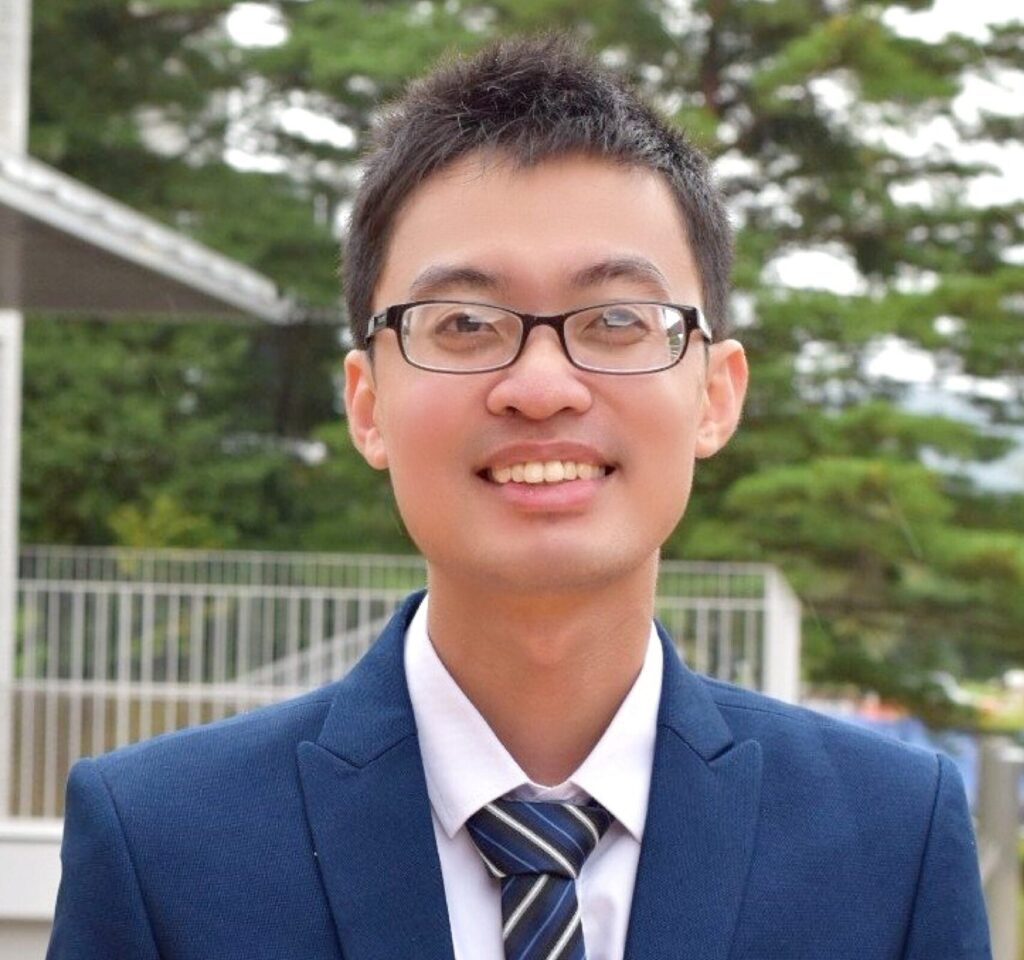
Co-chair: Asst. Prof. Cao Le Anh Kiet
✧ Affiliation: Hiroshima University
✧ Email: caoleanhkiet[at]hiroshima-u.ac.jp
In the digital transformation era, advanced materials are central to building technologies that are smarter, more efficient, and more sustainable. Innovations in light-responsive systems, nanostructured platforms, and modern powder fabrication methods are expanding the boundaries of what current devices and industrial processes can achieve.
This session offers an integrated perspective on how photonic materials, nanoscale engineering, advanced synthesis techniques, and cutting-edge spectroscopic tools collectively drive technological progress. Their combined impact supports breakthroughs in biomedical imaging, energy solutions, high-performance electronics, and precise material characterization—key elements of digital-era development.
By bringing these diverse innovations together, the session highlights how material engineering underpins sustainable growth across multiple sectors. Participants will gain a broad understanding of how advancements in materials continue to shape the future of technology in an increasingly digital and interconnected world.
Special Session 5 – Intersection of Semiconductor Science, Spintronics, and Nanoscale engineering
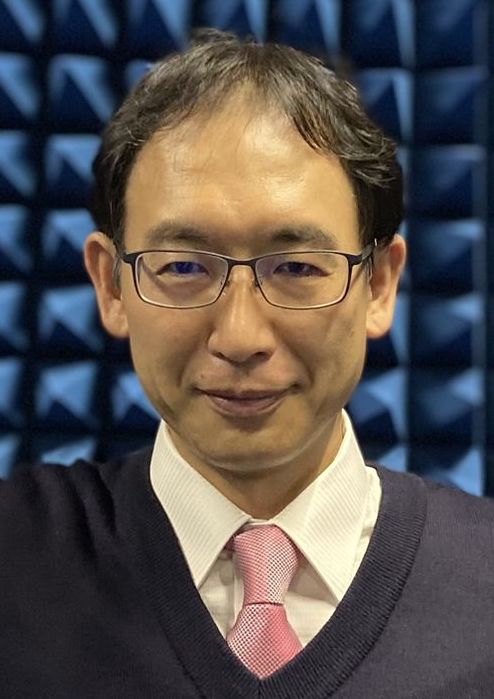
Chair: Prof. Dr. Shin-Ichiro Kuroki
✧ Affiliation: Research Institute for Semiconductor Engineering (RISE), Hiroshima University
✧ Email: skuroki[at]hiroshima-u.ac.jp

Co-chair: Dr. Ngo Minh Chu
✧ Affiliation: National Institute of Advanced Industrial Science and Technology (AIST)
✧ Email: ngominh-chu[at]aist.go.jp
This session highlights key advances in semiconductor science, spintronics, and nanoscale engineering, showcasing how innovative materials and device concepts are shaping the future of high-performance, energy-efficient electronics.
We open with keynote speaker Prof. Hirokazu Tada (Osaka University), a leading researcher in molecular electronics. His work bridges molecular-scale phenomena with functional device architectures, offering new perspectives on how molecular design, quantum effects, and nanoscale engineering can expand the boundaries of modern electronics and optoelectronics. Prof. Tada’s insights set the stage for understanding how molecular-level control can complement and enhance emerging semiconductor technologies.
Following this, keynote speaker Prof. Pham Nam Hai (Institute of Science Tokyo) discusses spintronic materials for ultralow-power edge AI-a critical direction as conventional AI systems confront severe energy and memory bottlenecks. His pioneering work on spin-orbit torque MRAM (SOT-MRAM), together with the discovery of giant spin Hall effects in topological materials such as BiSb and YPtBi, demonstrates how spintronics can deliver ultrafast (~1 ns), ultralow-energy switching suitable for in-memory and near-memory computing. With demonstrated CMOS compatibility and growing industrial collaboration, these materials pave the way toward scalable, high-efficiency AI hardware for mobile and IoT applications.
The session then moves to Dr. Nguyen Thi Van Anh (Tohoku University), who presents recent progress in spin-current generation in the altermagnet RuO₂ for energy-efficient SOT-MRAM. Her group’s experimental demonstration of spin-split-effect-induced spin-orbit torque-remarkably independent of the Néel vector-reveals the symmetry-driven physics that make RuO₂ a promising altermagnetic material. With torque efficiencies enabling significant reductions in switching voltage at sub-nanosecond timescales, this work contributes a new pathway toward fast, low-power, and reliable spintronic memory devices.
Finally, Assoc.Prof. Nguyen Van Toan (Tohoku University) introduces the powerful potential of nanoengineered microsystems. By exploring nanoscale mechanics, fluid transport, thermal management, and chemistry, his research demonstrates how nanoscale engineering enhances performance, accelerates reactions, improves heat dissipation, and enables novel forms of energy harvesting. These principles underpin next-generation micro/nano devices for sustainable technologies in energy, environment, and healthcare.
Together, these four talks offer a unified view of how breakthroughs in molecular design, spin-orbit physics, topological materials, and nanoscale engineering are driving a new era of semiconductor innovation. The session aims to spark cross-disciplinary collaboration toward smarter, faster, and more energy-efficient electronic systems for the future.
Special Session 6 – Collaboration and Innovation for Sustainable Agriculture and a Green Environment
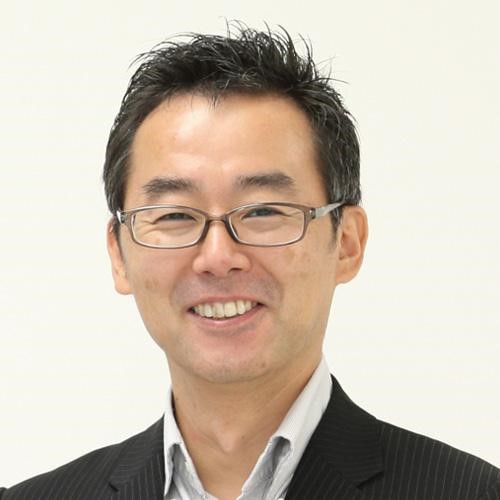
Chair: Assoc. Prof. Keisuke Sato
✧ Affiliation: Department of Civil & Environmental Engineering, School of Science and Engineering, Ritsumeikan University
✧ Email: k-sato[at]fc.ritsumei.ac.jp

Co-chair: Dr. Nguyen Thi Thuong
✧ Affiliation: Asia-Japan Research Institute, Ritsumeikan University
✧ Email: thuong[at]fc.ritsumei.ac.jp
The session “Collaboration and Innovation for Sustainable Agriculture and a Green Environment” aims to foster interdisciplinary dialogue and strengthen international cooperation toward building a sustainable agricultural system that aligns with environmental protection. As the world faces pressing challenges such as climate change, land degradation, biodiversity loss, and water pollution and scarcity, integrating advanced technologies with ecological and community-based approaches has become more critical than ever.
This session brings together researchers, policymakers, and international experts to share knowledge, exchange experiences, and explore new collaborative strategies that pursue the dual goals of environmental preservation and agricultural productivity.
Key discussion topics include the development of sustainable farming models, the application of smart agriculture, and the implementation of nature-based solutions for waste and water resource management. The session also emphasizes the role of digital transformation, biotechnology, and green technologies in enhancing resource efficiency, reducing greenhouse gas emissions, and moving toward a low-carbon future.
By combining scientific innovation with socio-economic perspectives, this session provides a practical platform to promote global cooperation and contribute meaningfully to the achievement of the Sustainable Development Goals (SDGs)—particularly those related to zero hunger, clean water and sanitation, climate action, and life on land.
Special Session 7 – Innovation in Research and Applications in Biology and Medicine

Chair: Dr. Do Dang An
✧ Affiliation: The University of Tokyo
✧ Email:
Co-chair: Asst. Prof. Phi Tien Cuong
✧ Affiliation: Kyoto University
✧ Email: phi.tiencuong.6i[at]kyoto-u.ac.jp
This session presents a cohesive Vietnam-Japan collaborative narrative on advanced detection and targeted intervention against major health threats through cutting-edge biotechnology. It opens with precise cancer cell detection and elimination via a heat-activated system, where temperature-responsive elastin-like polypeptides fused with caspase-8 induce localized programmed cell death using deep-tissue heating techniques. The focus then shifts to bacterial threats, highlighting antimicrobial peptides from commensal bacteria that selectively target multidrug-resistant staphylococci like MRSA, complemented by comprehensive surveillance of antibiotic-resistant bacteria and genes in wastewater systems to uncover environmental persistence, treatment gaps, and risks in developing regions. The session progresses to viral detection in the central nervous system, revealing how NAD-boosters like NMN can unexpectedly heighten virus-induced neuroinflammation in chronic infections. Concluding with a 40-minute panel, it explores challenges, opportunities, and strategies for translating these detection and treatment innovations into evidence-based clinical applications across Vietnam and Japan.
GENERAL SESSIONS

Chair: Dr. Le Hoang Minh
✧ Affiliation: Kyoto University
✧ Email: lehoangminhapu95[at]gmail.com

Chair: Asst. Prof. Nguyen Anh Hao
✧ Affiliation: Waseda University
✧ Email: nguyenanhhao040294[at]gmail.com

Chair: Assoc. Prof. Yong Jie WONG
✧ Affiliation: Kyoto University of Advanced Science
✧ Email: wong.yongjie[at]kuas.ac.jp

Co-Chair: Dr. Hoang Kim Oanh
✧ Affiliation: National Institute of Technology, Ishikawa College.
✧ Email: hoangkimoanh041171[at]gmail.com

Co-Chair: Dr. Ngo Hoai Nguyen
✧ Affiliation: The University of Osaka
✧ Email: hoainguyen-ngo[at]vanj.jp
EXHIBITION REGISTRATION
We are excited to invite you to participate as an exhibitor at the VANJ Conference 2025 , an international gathering focused on fostering collaboration and innovation between Vietnam and Japan.
VANJ Conference 2025 will bring together professionals, scholars, and industry leaders to explore cutting-edge advancements in technology, culture, business, and more. As an exhibitor, you will have the unique opportunity to showcase your products, services, or research to a highly engaged audience, network with key stakeholders, and expand your presence in both markets. Don’t miss this chance to be part of an influential event shaping the future of Vietnam-Japan relations. Register now to secure your spot!
Registration here: https://vanj.jp/links/vanj2025-exhibition