Plenary Speakers

Prof. Shinji Kaneko
✧ Affiliation: Hiroshima University
✧ Email:
Keynote Speakers

Assoc. Prof. Nguyen Van Toan
✧ Affiliation: Graduate School of Engineering, Tohoku University
✧ Email: nguyen.van.toan.c6[at]tohoku.ac.jp
Nguyen Van Toan received his B.S. degree in 2006 and M.S. degree in 2009 in physics and electronics, respectively, Vietnam National University, Ho Chi Minh City, Viet Nam. He received his Dr. Eng. degree from Tohoku University in 2014 for research on silicon capable of integrating LSI for application to timing devices. He is currently working as an Associate Professor at Graduate School of Engineering, Tohoku University. He has published 100 peer-reviewed journal papers, four patents, two books, and four book chapters. His research results have been presented in over 100 conferences. He has received several awards, including Research Travel Award for IEEE-MEMS conferences (in 2017 and 2020) and for IEEE-Transducers (2017), Outstanding paper awards in IEEE-NANO and IEEE-NEMS, Best paper award in 2019 (IEEJ), and Electrical Science Promotion Award in 2022. He is pursuing an all-in-one micro/nano energy system, including energy harvesting, energy storage and sensing, and developing high-performance functional materials and devices. His current research interests include capacitive silicon resonators, optical modulator devices, thermal-to-electric power generators, gas sensing, micro-battery, and metal-assisted chemical etching.
Assoc. Prof. Pham Tien Lam
✧ Affiliation: Phenikaa University (Vietnam)
✧ Email: lam.phamtien[at]phenikaa-uni.edu.vn
Nguyen Van Toan received his B.S. degree in 2006 and M.S. degree in 2009 in physics and electronics, respectively, Vietnam National University, Ho Chi Minh City, Viet Nam. He received his Dr. Eng. degree from Tohoku University in 2014 for research on silicon capable of integrating LSI for application to timing devices. He is currently working as an Associate Professor at Graduate School of Engineering, Tohoku University. He has published 100 peer-reviewed journal papers, four patents, two books, and four book chapters. His research results have been presented in over 100 conferences. He has received several awards, including Research Travel Award for IEEE-MEMS conferences (in 2017 and 2020) and for IEEE-Transducers (2017), Outstanding paper awards in IEEE-NANO and IEEE-NEMS, Best paper award in 2019 (IEEJ), and Electrical Science Promotion Award in 2022. He is pursuing an all-in-one micro/nano energy system, including energy harvesting, energy storage and sensing, and developing high-performance functional materials and devices. His current research interests include capacitive silicon resonators, optical modulator devices, thermal-to-electric power generators, gas sensing, micro-battery, and metal-assisted chemical etching.
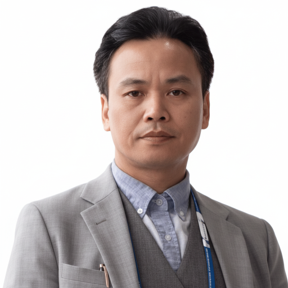
Prof. Ngo Van Nong
✧ Affiliation: Center for Low-temperature Plasma Science, Nagoya University
✧ Email: ngo.van.nong.d2[at]f.mail.nagoya-u.ac.jp
Prof. Ngo Van Nong is a Full Professor and Head of Division at the Center for Low-temperature Plasma Science, Nagoya University, Japan. He received his B.Sc. in Chemistry from Hanoi University of Education, Vietnam (1997), his M.Sc. in Materials Science from ITIMS, Hanoi, Vietnam (1999), and his Doctor of Engineering from Kyushu University, Japan (2006). After postdoctoral positions in Japan and Taiwan, he spent a decade at DTU Energy, Technical University of Denmark, as Senior Researcher, Technology Coordinator for thermoelectric technology, and Associate Professor, before joining Nagoya University in 2019.
His research focuses on advanced functional materials and devices for energy conversion and storage, including semiconducting thermoelectric materials and generators for waste heat recovery, and nanocarbon materials for high-performance lithium-ion batteries. He achieved a world-record performance for p-type thermoelectric oxides (Advanced Materials, 2011, cited more than 250 times) and holds more than 30 patents on thermoelectric devices and lithium-ion battery technologies. He has published over 100 peer-reviewed articles (h-index 34, more than 3,000 citations), has attracted over 20 million USD in research funding as PI and Co-PI since 2011, and currently serves as daily project manager for two large JAXA projects on advanced lithium-ion batteries for satellites.
Prof. Nong has more than 15 years of experience in teaching and supervising Ph.D. and M.Sc. students, has delivered over 20 keynote and invited talks, and is a reviewer for journals including Nature Materials, Advanced Materials, and Energy & Environmental Science.
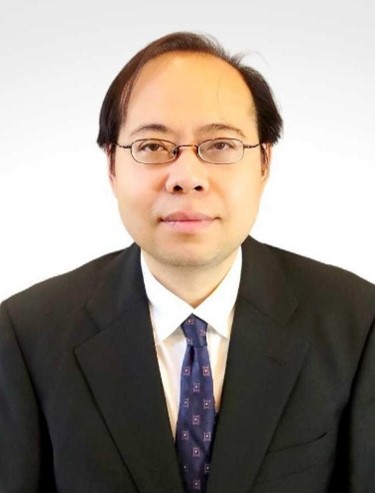
Prof. Pham Nam Hai
✧ Affiliation:Department of Electrical and Electronic Engineering, Institute of Science Tokyo
✧ Email: pham.n.ab[at]m.titech.ac.jp
Dr. Pham Nam Hai is Professor of Electronic Engineering at the Institute of Science Tokyo (formerly Tokyo Institute of Technology), specializing in spintronics. His work spans ferromagnetic nanoclusters and semiconductors, ferromagnet/semiconductor hybrids, and topological insulators and semimetals, with applications to spintronics and AI. He serves as a representative member of the Japan Society of Applied Physics and has held editorial roles at the Magnetics Society of Japan (MSJ), including Editor-in-Chief (Spintronics). He has served on program committees for major meetings such as the Conference on Magnetism and Magnetic Materials (MMM). As a research director for Japan Science and Technology Agency projects, he has collaborated with R&D groups at Kioxia, TDK, Samsung, and Western Digital. Honors include the SSDM Young Researcher Award (2009), Ando Memorial Award (2014), Marubun Research Award (2017), German Innovation Award—Gottfried Wagener Prize (2019), Asian Scientist 100 (2020), and MSJ Outstanding Research Award (2020).

Prof. MAKI Takayoshi
✧ Affiliation: International Education Development Program, Graduate School of Humanities and Social Sciences, Hiroshima University
✧ Email: maki[at]hiroshima-u.ac.jp
Takayoshi Maki, Ph.D. is a Professor of Human Resource Development for Education at the Graduate School of Humanities and Social Sciences, Hiroshima University, Japan. His research focuses on teacher education reform, teacher educators’ identities, comparative education, and educational equity, particularly in Asia and Africa. He has extensive academic and research experience in Southeast Asia, including studies at Chulalongkorn University as an exchange student, service as a visiting researcher at the Thai Ministry of Education, work as a visiting scholar at Mae Fah Luang University, and an appointment as a Visiting Professor at Yogyakarta State University, Indonesia. In addition to his work in graduate education, he teaches in the Multicultural and Global Education Program in the School of Education. Professor Maki currently leads several research projects supported by the Japan Society for the Promotion of Science (JSPS), including a comparative study of teacher educators’ identities and professional lives in Asia and Africa and a Grant-in-Aid for Scientific Research (B) project on equitable teacher education in remote and small schools across mainland Southeast Asia. He has also contributed to research on teacher policy, university admissions, educational disparities, overseas Chinese communities, multicultural education in Japan, and the KOSEN. His research laboratory brings together traditional and non-traditional teacher educators from Asia and Africa and is guided by the motto, “Research as My Daily Meal.”

Prof. Jane Singer
✧ Affiliation: Department of Global Studies, Kyoto University of Foreign Studies
✧ Email: j_singer[at]kufs.ac.jp
Jane Singer is professor in the Department of Global Studies at Kyoto University of Foreign Studies. She received a BA from the University of the Pacific (California, USA), a Masters in International Affairs from the School of International and Public Affairs, Columbia University, and, in 2015, a Ph.D. from the Graduate School of Global Environmental Studies, Kyoto University. Her thesis explored improving outcomes for ethnic minority communities in Vietnam who are displaced by hydropower dam construction. Her current research focuses on development-forced displacement and resettlement as well as university-led community engagement. Before her current position she served as associate professor at Kyoto University for 11 years. She has published 38 book chapters and journal articles. She has also published four books on community resilience and displacement, all from Routledge, including Development-Induced Displacement and Resettlement in Vietnam (2023), co-edited with Mr. Nguyen Quy Nghi of the World Bank.

Prof. Sean A. White
✧ Affiliation: Faculty of Business Administration, Ryukoku University
✧ Email: white[at]biz.ryukoku.ac.jp
Sean White is professor of English Communication in the Faculty of Business Administration and Interfaculty English Communication Course at Ryukoku University, Kyoto. He received his Ph.D. in Teaching English to Speakers of Other Languages from the University of Kansas, USA, and M.Ed. in Japanese Language Education from Shimane University, Japan. He has taught English in Japanese higher education for more than 25 years, with the last 15 involving internet and mobile technology-based virtual exchange. In addition to teaching at Ryukoku, he has served as Dean of the university’s International Center and Executive Board Member of the Center for the Promotion of Global Education. His research interests include reading and writing instruction, technology and culture in language education, and educational policy.
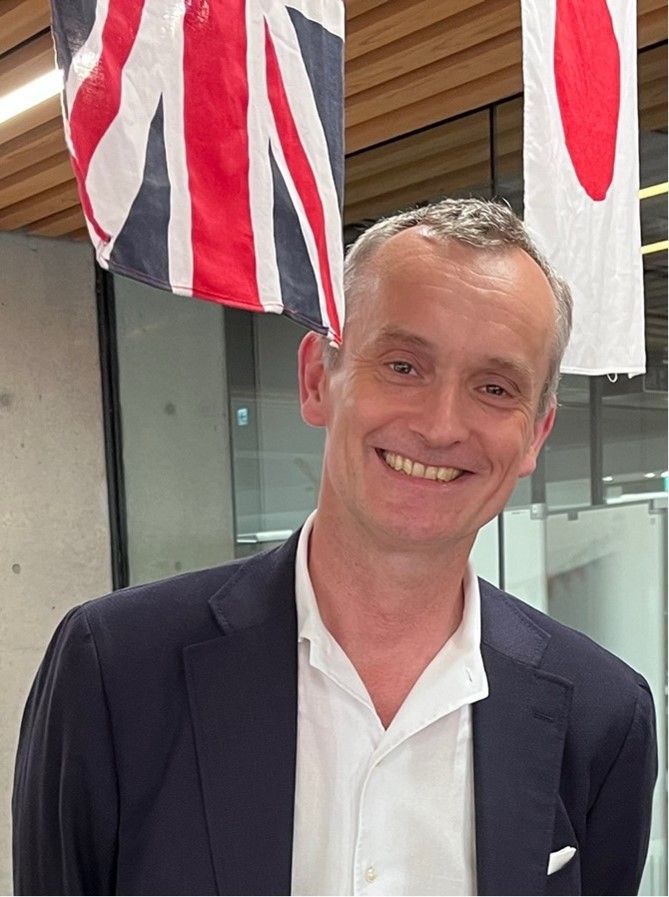
Prof. Daniel James
✧ Affiliation: Faculty of Global and Community Studies, Hiroshima Shudo University
✧ Email: james[at]shudo-u.ac.jp
Originally from the U.K., Professor Daniel James is long-term resident of Japan and has spent his career in education the last 10 of which has been at Hiroshima Shudo University. His academic interests span trends in inbound and outbound study abroad programmes based in Japan and the influences of financial incentives, silence as part of non-verbal communication and awareness of it in international students in Japan and also the effects of Extensive Reading on vocabulary acquisition. He has also spent over 25 years involved in promoting study abroad and is interested in finding out the perspectives of Vietnamese students at this conference.
Invited Speakers
Sr. Process Eng. Duong Dinh Hiep
✧ Affiliation: ASM Japan
✧ Email: kimcuongnguyenthuy86[at]gmail.com
Biography
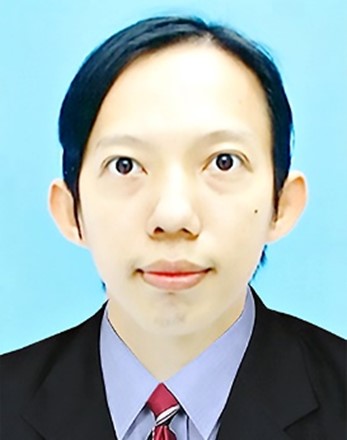
Assoc. Prof. Nguyen Gia Minh Thao
✧ Affiliation: Shimane University
✧ Email: nguyenthao[at]riko.shimane-u.ac.jp
Biography
Nguyen Gia Minh Thao obtained the B. Eng. (honors) and M. Eng. (first class) degrees in electrical and electronics engineering from Ho Chi Minh City University of Technology, VNU-HCM, Vietnam, in 2009 and 2011, respectively, and the Dr. Eng. degree in electrical engineering and intelligent control from Waseda University, Japan in 2015. From 2015 to 2020, he was a Postdoctoral Researcher in Waseda University and Toyota Technological Institute. From 2020 to 2023, he was an Assistant Professor in Nagoya University and Toyota Technological Institute, Japan. Currently, Dr. Thao is an Associate Professor in Shimane University, Japan, where he is the head of the Electric Motors and Energy Systems Laboratory. He is also a Senior Member of the IEEE, and an Associate Editor for IEEE Transactions on Industry Applications. His research interests include advanced control methods, electric motors and drives, SiC/GaN power electronics, electromagnetic evaluation, renewable energy, computational intelligence, and electric vehicles.
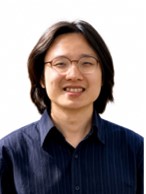
Asst. Prof. Ngo Hoai Nguyen
✧ Affiliation: Research Institute of Electrical Communication, Tohoku University
✧ Email: ngo.hoai.nguyen.a8[at]tohoku.ac.jp
Biography
Nguyen H. Ngo received his B.E. and M.E. degrees in electrical engineering from International University, Vietnam National University – Ho Chi Minh City, in 2015 and 2018, respectively. He received his D.E. degree in electronics from Ritsumeikan University, Japan, in 2021, specializing in ultra-high-speed image sensors. From 2022 to 2026, he was a postdoctoral researcher at The University of Osaka and is currently an Assistant Professor at Tohoku University. His research focuses on integrating resonant tunneling diodes with silicon photonic platforms for terahertz communications. He is a member of IEEE and JSAP. In 2026, he received the Young Scientist Presentation Award from the MWPTHz Society for his work on terahertz waveguides. His broader research interests include terahertz sensing and digital image processing.
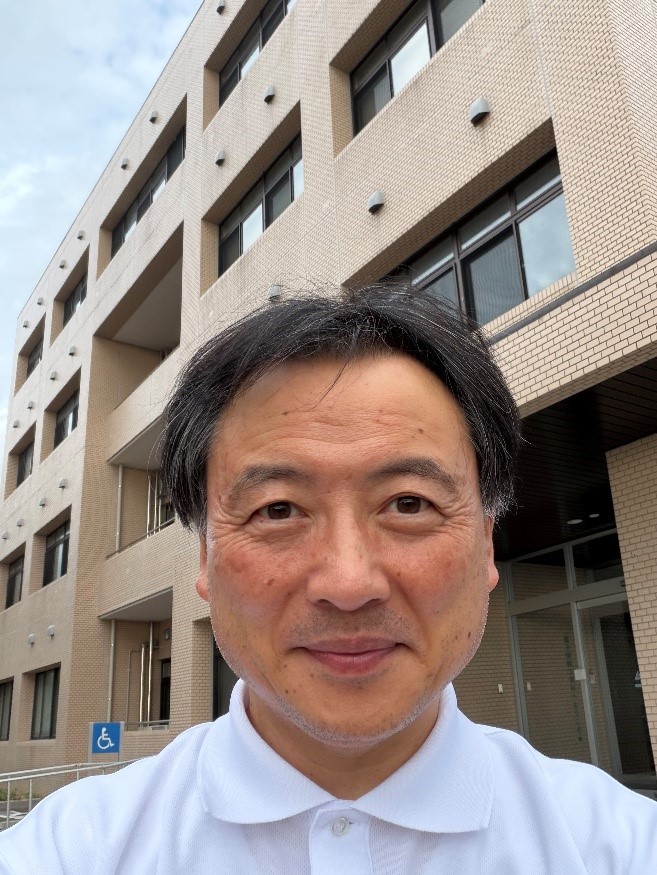
Prof. Yamada Kenji
✧ Affiliation: Department of Electronics and Information Engineering, National Institute of Technology, Ishikawa College
✧ Email: kenji[at]ishikawa-nct.ac.jp
Biography
✧ Research Interests: Surface analysis of semiconductor materials, development of educational materials, and engineering education.
✧ Courses Taught: Electronic Devices, Electromagnetics, Applied Physics, and related subjects.
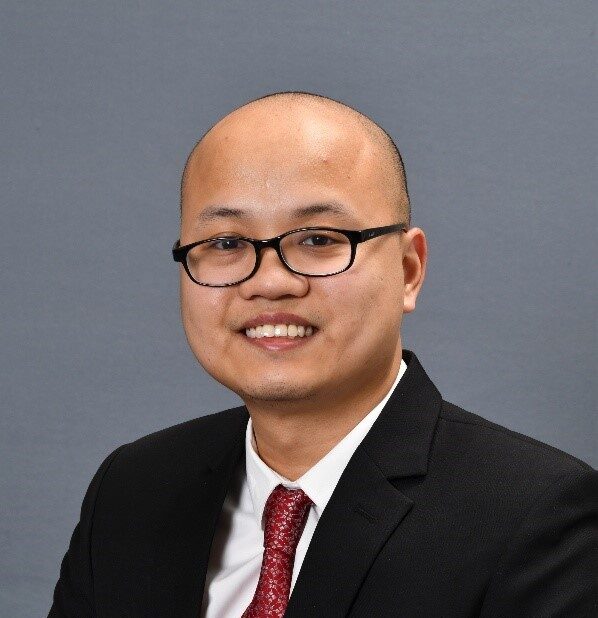
Asst. Prof. Nguyen Huu Nhan
✧ Affiliation: Graduate School of Advanced Science and Technology, Japan Advanced Institute of Science and Technology
✧ Email: nhnhan[at]jaist.ac.jp
Biography
Dr. NGUYEN received his Master’s degree in Mechanical Engineering from Ming Chi University of Technology, Taiwan, in 2017, and his Ph.D. in Information Science from the Japan Advanced Institute of Science and Technology (JAIST) in 2022, where he spent the following year as a Postdoctoral Researcher. From 2023 to 2026, he was an Assistant Professor at the School of Information Science, JAIST. Since April 2026, he has been a Senior Lecturer and he established the Soft Robotics & Embodied Intelligence (SoREI) Laboratory.
His research interests include soft robotics, tactile sensing technologies, multimodal sensing systems, embodied intelligence, and physical intelligence. His goal is to answer one question: how much of a robot’s “thinking” can be handed to its body instead of its controller? To this end, he studies how a compliant body can sense, adapt, and act with less computation than a rigid machine would need, extending the work toward robot learning.
In 2024, Dr. NGUYEN received the Best Paper Award at the IEEE/SICE International Symposium on System Integration (SII2024) and the IEEE RAS Japan Joint Chapter Young Award, in 2025. He has served on the organizing committees of SII2024 and the 2026 IEEE-RAS International Conference on Soft Robotics (RoboSoft).
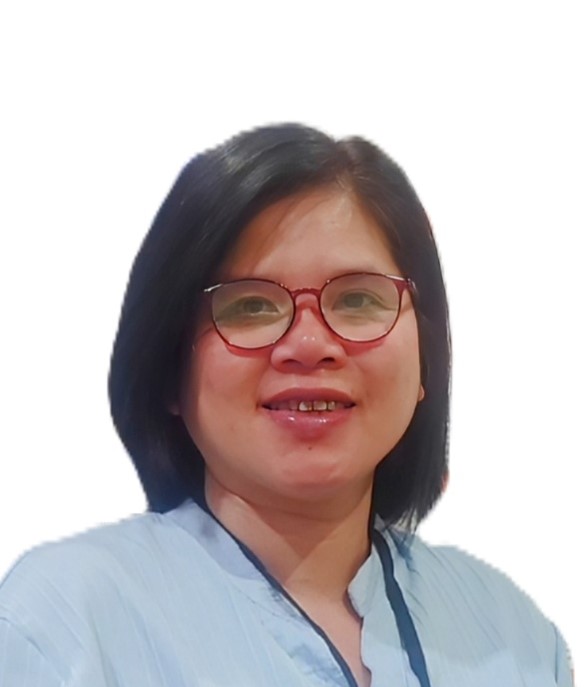
Dr. Doan Thi Kim Dung
✧ Affiliation: Innovation Center of Nanomedicine (ICONM)
✧ Email: doan-d[at]kawasaki-net.ne.jp
Biography
Dr. Doan‘s research has centered on the development of functional inorganic nanomaterials for biomedical applications, beginning with the synthesis and characterization of rare earth doped nanoparticles for medical imaging. This work included the design of nanomaterial-based contrast agents capable of integrating complementary imaging modalities within a single platform, together with approaches to surface functionalization and bioconjugation that enhance the specificity and performance of these systems. Dr. Doan subsequently advanced research on organic nanomaterials for bioimaging in biological systems, while continuing to strengthen this work through collaborations with academic and clinical institutions. More recent work has focused on the development of targeted nanoplatforms for cancer imaging and image-guided applications, extending advanced imaging approaches toward preclinical and clinical relevance. Taken together, Dr. Doan aims to foster an interdisciplinary research program spanning nanomaterials chemistry, bioimaging, and nanomedicine, driven by a sustained interest in translating fundamental nanotechnology into practical biomedical solutions.
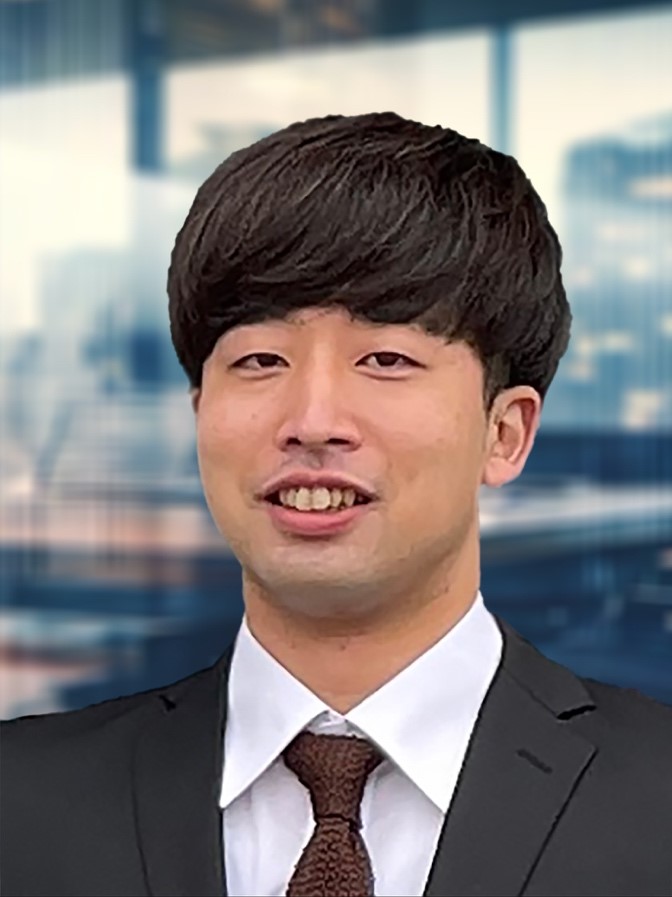
Asst. Prof. Tomoyuki Hirano
✧ Affiliation: Department of Advanced Science and Engineering, Hiroshima University
✧ Email: tomoyuki-hirano[at]hiroshima-u.ac.jp
Biography
Tomoyuki Hirano is an Assistant Professor in the Chemical Engineering Program, Graduate School of Advanced Science and Engineering, Hiroshima University. He received his Ph.D. (Engineering) in chemical engineering from Hiroshima University in 2022. His research concerns functional nanostructured materials synthesized by aerosol and flame processes, with applications in fuel cells, water electrolysis, heterogeneous catalysis, and thermal management. He is particularly interested in particle morphology, porous structure, and interface engineering for improving material performance and durability. In 2025, he received the Young Researcher Award from the Japan Association of Aerosol Science and Technology and the SCEJ Award for Outstanding Young Researcher from the Society of Chemical Engineers, Japan.
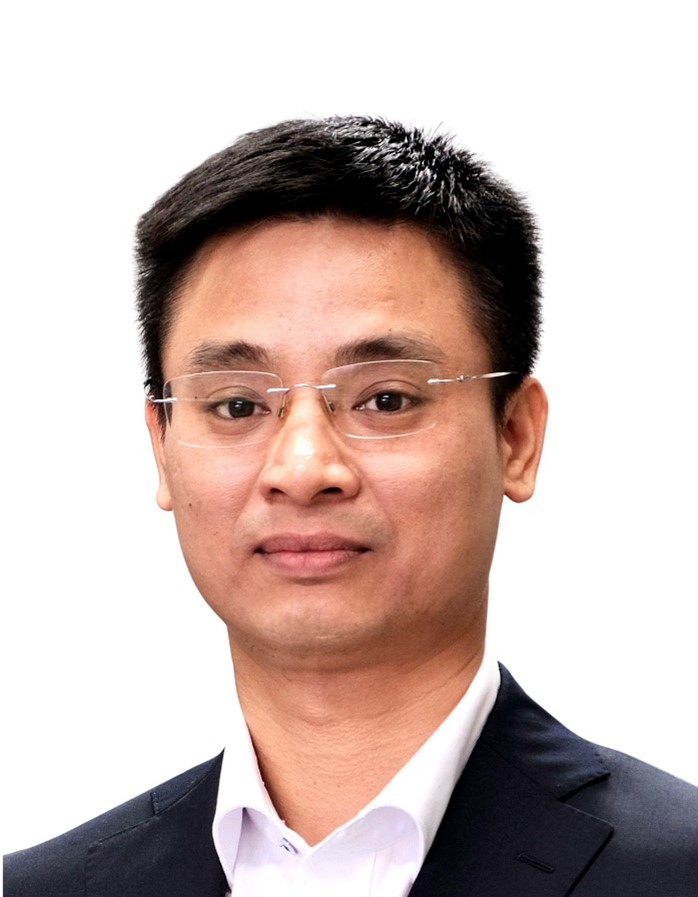
Asst. Prof. Nguyen Huu May
✧ Affiliation: Hiroshima University
✧ Email: nguyenhuumay[at]hiroshima-u.ac.jp
Biography
Dr. Bui Ngoc Kien
✧ Affiliation: Tokyo University
✧ Email:
Biography
Asst. Prof. Nakayenga Joyce Justine
✧ Affiliation: Hiroshima University
✧ Email: njoyce[at]hiroshima-u.ac.jp
Biography
Dr. Bin Xi
✧ Affiliation: Paul Scherrer Institut (Switzerland)
✧ Email: bin.xi[at]psi.ch
Biography
Asst. Prof. Varun Varghese
✧ Affiliation: Indian Institute Of Technology Tirupati
✧ Email: varunv[at]iittp.ac.in
Biography

Assoc. Prof. Phung Duc Luc
✧ Affiliation: Faculty of Agriculture, Yamagata University
✧ Email: lucphung[at]tds1.tr.yamagata-u.ac.jp
Biography
Dr. Phung Duc Luc is an Associate Professor in the Faculty of Agriculture at Yamagata University. His research focuses on sustainable circular agriculture through the safe use of sewage-derived resources, particularly composted sewage sludge and treated wastewater. Combining field, controlled-environment, and laboratory studies, he investigates crop productivity, nutrient-use efficiency, greenhouse gas emissions, dissolved organic matter, and soil microbial functions. He also examines the occurrence, fate, and transfer of emerging contaminants across water –soil–plant systems and their potential ecological and human-health risks.
Dr. Luc received his Ph.D. from the United Graduate School of Agricultural Sciences, Iwate University. He previously served as a Japan Society for the Promotion of Science Postdoctoral Fellow and a Project Assistant Professor. Through collaboration with municipalities, resource-recovery operators, farmers, and international researchers, he develops practical solutions for climate-smart, resource-efficient, and environmentally safe agriculture.
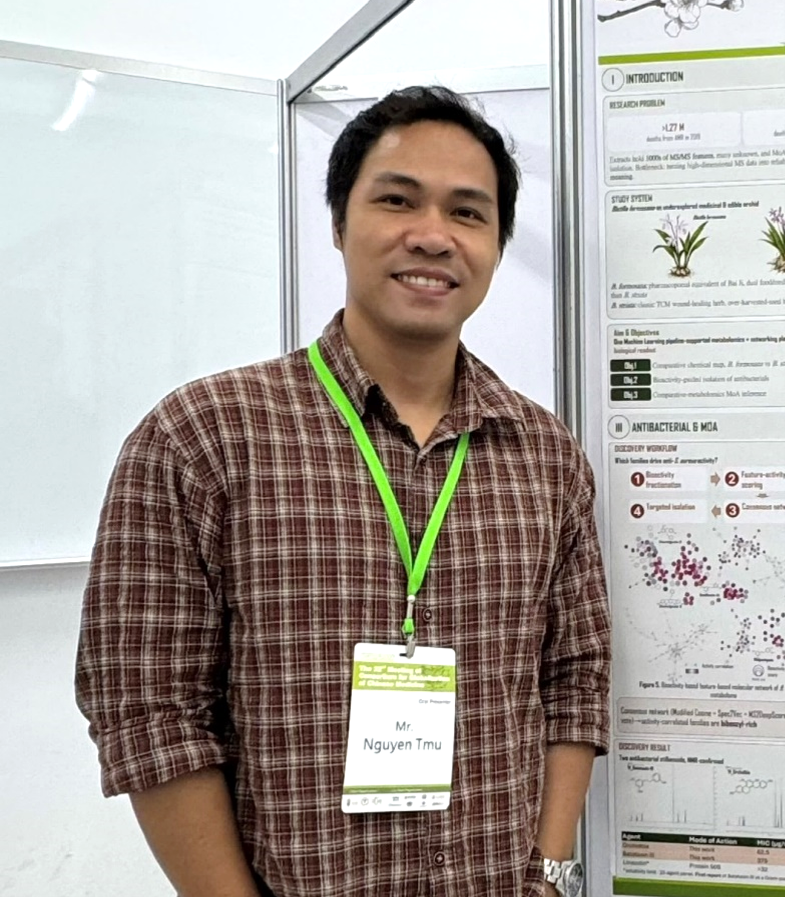
Dr. Nguyen Thanh Sang
✧ Affiliation: Division of Chinese Medicinal Chemistry, National Research Institute of Chinese Medicine, Ministry of Health and Welfare
✧ Email: sang.nguyenthanh[at]stu.edu.vn
Biography
Nguyen Thanh Sang’s research focuses on metabolomics and mass spectrometry-based investigation of bioactive natural products from plant, microbial, and food sources. His expertise includes LC-MS/MS data processing, feature based molecular networking, spectral similarity analysis, and compound annotation. His research involves the identification and prioritization of diverse bioactive metabolites, including saponins, flavonoids, ginsenosides, and antimicrobial peptides. He also works on functional food evaluation and fermentation derived bioactive compounds, integrating metabolomic profiling and R based statistical analysis and data visualization to interpret chemical and biological responses.
Asst. Prof. Namita Maharjan
✧ Affiliation: Department of General Education, National Institute of Technology, Nagaoka College
✧ Email: namimaha[at]nagaoka-ct.ac.jp
Biography
As an Assistant Professor at the National Institute of Technology (NIT), Nagaoka College, Niigata, Japan, Namita Maharjan focuses on sustainable wastewater and solid waste treatment technologies, bio-coagulation innovation, aquaculture engineering, and global engineering education. She received her PhD in Energy and Environmental Science in 2016 and was recognized as one of the youngest PhD graduates from Nagaoka University of Technology. She developed novel wastewater treatment methods and evaluated their viability in developing countries. She has also gained practical experience in international environmental engineering practices for wastewater and solid waste management by contributing to the JICA projects for sustainable treatment systems. Currently, she is working on exploring enzyme activity for developing natural and eco-friendly household cleaners. She has a good track record of publications, awards and has participated in many international conferences.

Dr. Nguyen Thi Hai Anh
✧ Affiliation: Hiroshima University
✧ Email: haianhnguyen.tb17[at]gmail.com
Biography
Dr. Hai Anh has a background in chemistry and environmental engineering. She received her Ph.D. in Engineering from Hiroshima University, Japan, in 2026, and her Master’s degree from the University of Ulsan, Korea.
Before her graduate studies, Dr. Hai Anh worked for nearly ten years in the pulp and paper industry in Vietnam. Her work involved industrial processes, water and wastewater treatment, and environmental monitoring. This practical experience led her to continue her research in water treatment and environmental materials.
Dr. Hai Anh research interests include carbon-based materials, adsorption, advanced oxidation processes, and the use of waste materials for environmental applications. She hopes to develop practical and sustainable materials for the treatment of emerging contaminants and resource recycling.

Asst. Prof. PHAM Tam Long
✧ Affiliation: College of International Management, Ritsumeikan Asia Pacific University
✧ Email: longpt[at]apu.ac.jp
Biography
Assistant Professor Long Tam Pham, PhD in Business Administration (2024), is at the College of International Management, Ritsumeikan Asia Pacific University (APU). As a Japanese Government Scholarship (MEXT) scholar, he holds a Ph.D. in Business Administration from Osaka University. His research explores Sustainable Development, Social Responsibility, and Sustainability in Management. He is an early-career researcher with a record in comparative management research, including the EURAM Sustainability Paper Award (2025) for a transgenerational study of family firms in Japan and Austria, the Distinguished Impact Award of the College of International Management (AY2026), and a British Council RENKEI Early Career Researcher Grant (2023).
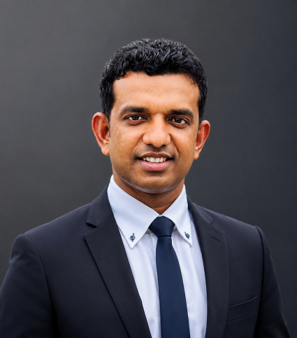
Asst. Prof. Forhad Hossain
✧ Affiliation: Faculty of Liberal Arts (International Business & Economics), Sophia University
✧ Email: f-hossain-6p6[at]sophia.ac.jp
Biography
Dr. Forhad Hossain is an academician, entrepreneurship educator, and social entrepreneur whose work focuses on Empathy-Driven Entrepreneurship (EDE)—an approach that connects entrepreneurship, innovation, and human-centered problem solving to address complex social and economic challenges. With more than 10 years of experience across academia and industry, his interdisciplinary background spans Management and Information Science, with research and practice in entrepreneurship, social business, SDGs, digital health, health innovation, and sustainable development.
Through his teaching, research, and entrepreneurial engagement, Dr. Hossain promotes entrepreneurship not only as a means of venture creation, but also as a mechanism for understanding people’s needs, designing inclusive solutions, and generating meaningful social and economic value. His current work on Empathy-Driven Entrepreneurship emphasizes the importance of empathy, contextual understanding, collaboration, and responsible innovation in developing entrepreneurs and entrepreneurial ecosystems.
He has worked across sectors to design entrepreneurship programs, support startups, mentor aspiring entrepreneurs, and advance sustainable solutions, particularly in Global South contexts. He is also actively engaged in building collaboration between developed and developing countries to promote knowledge exchange, capacity building, and resource mobilization for sustainable impact.
Through his academic and practical initiatives, Dr. Hossain seeks to bridge empathy with entrepreneurship, research with practice, and ideas with action, contributing to more inclusive, resilient, and sustainable entrepreneurial ecosystems.
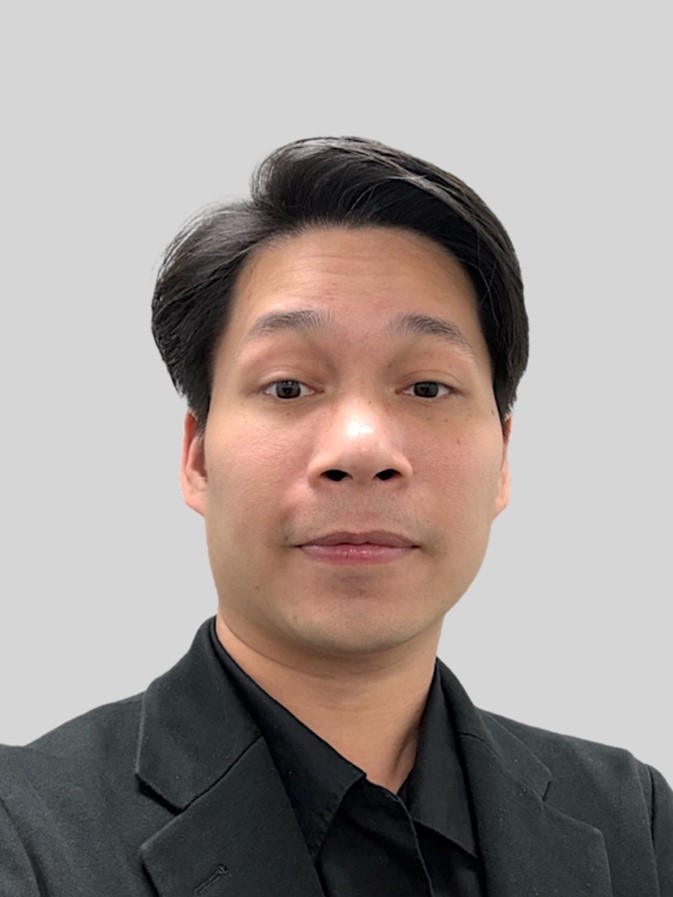
Asst. Prof. Nguyen Anh Hao
✧ Affiliation: Institute of Asia-Pacific Studies, Waseda University
✧ Email: anhhaonguyen[at]aoni.waseda.jp
Biography
Dr. Nguyen Anh Hao is an Assistant Professor at the Institute of Asia-Pacific Studies, Waseda University. Holding a Ph.D. in Business Administration from Yokohama National University, his research primarily explores behavioral operations management and oganizational behavior, specifically the mechanism of establishing a sense of urgency to drive workplace innovation, continuous improvement, and collaboration. His broader academic interests encompass supply chain management, marketing, entrepreneurship, and education. Dr. Hao’s work has been featured in several publications in international journals, including the International Journal of Operations & Production Management, Supply Chain Management: An International Journal, and The TQM Journal. As an alumnus of Vietnam-Japan University, he actively fosters academic and educational collaborations between Vietnam and Japan. Alongside his research, he coordinates graduate courses on Japan’s global cooperation experiences at Waseda University and lectures on international business, corporate strategy, and organizational development across prominent Japanese institutions, including Sophia University and Yokohama National University.